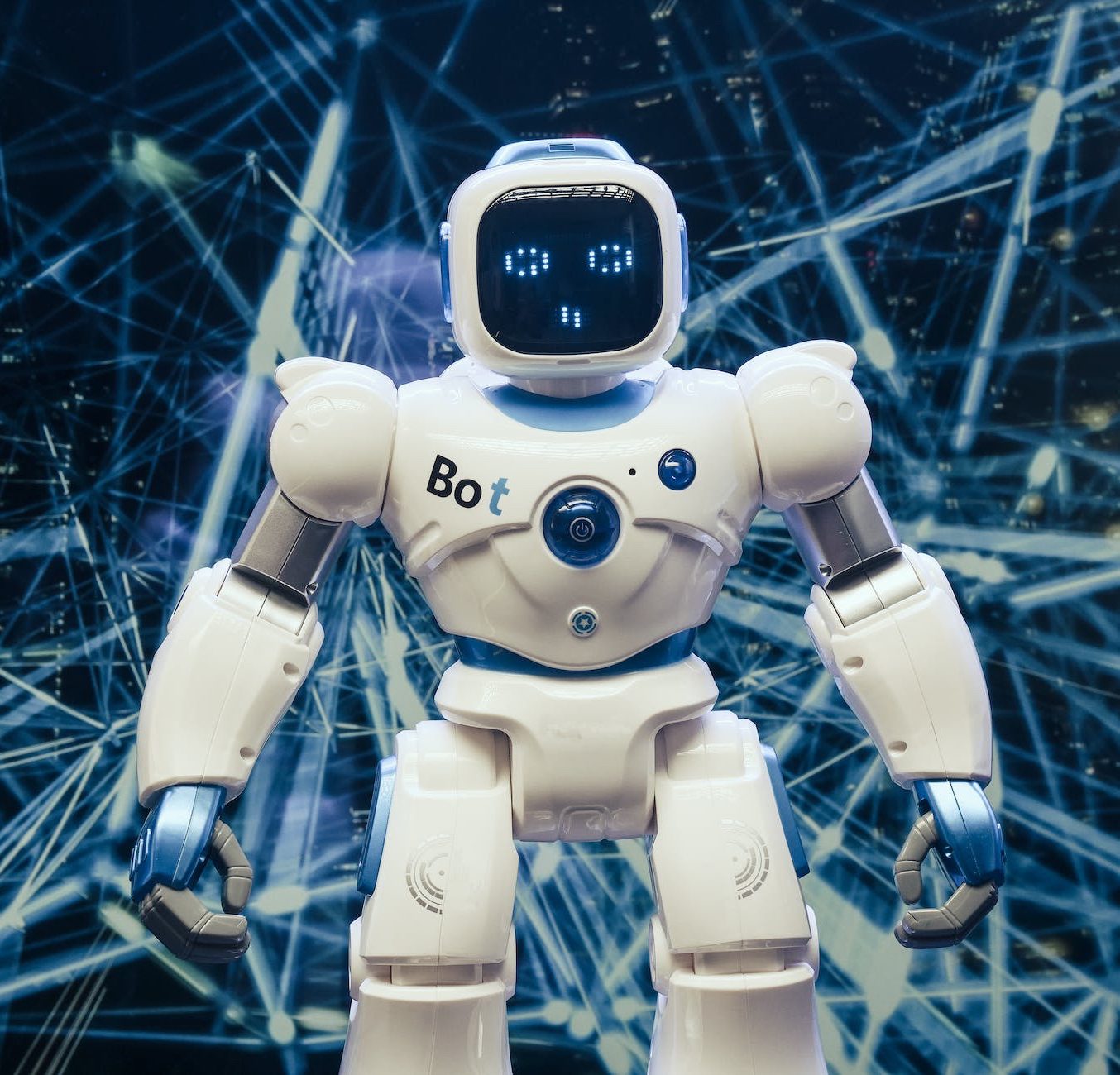
Artificial intelligence (AI) has the potential to revolutionize the way we live and work, but it also raises important ethical questions that need to be addressed.
On the positive side, AI can help us solve complex problems more efficiently, and it has the potential to improve our quality of life in a number of ways. For example, it can help us diagnose diseases more accurately, improve transportation systems, and make our homes and workplaces more efficient.
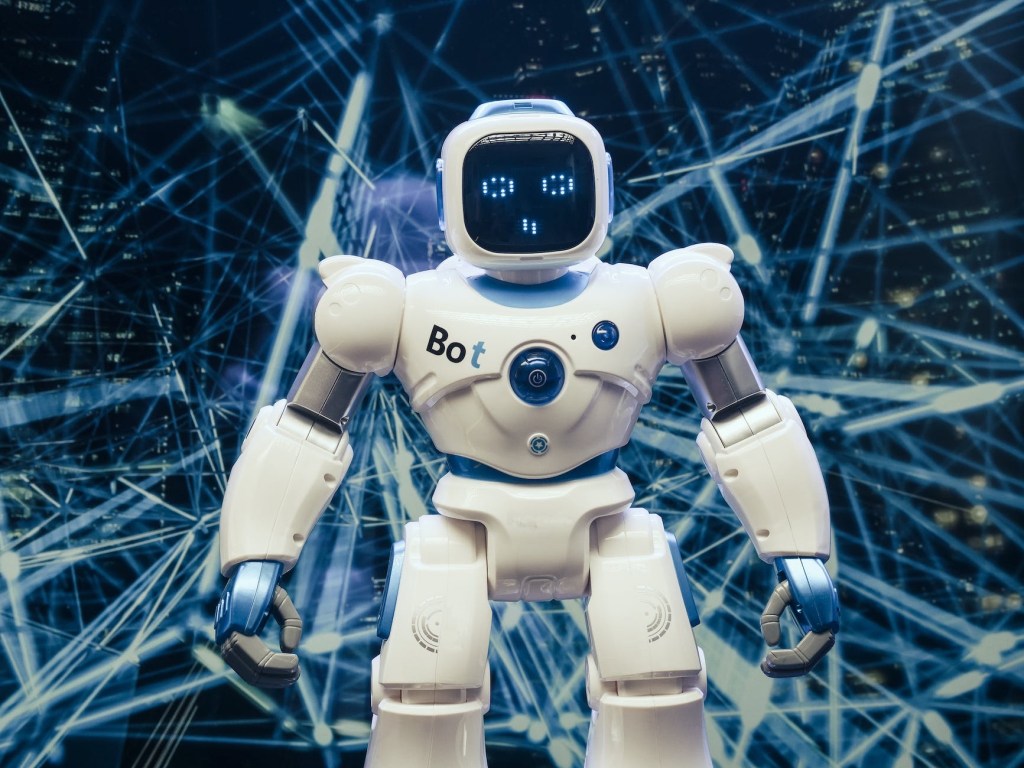
However, there are also legitimate concerns about the potential negative impacts of AI. For example, there is the risk that AI could be used to automate jobs, leading to widespread unemployment. There is also the possibility that AI could be used to perpetuate existing biases or even create new ones.

It is important that we address these concerns as we continue to develop and deploy AI. This means that we need to ensure that AI is developed and used ethically, and that we have appropriate regulations in place to mitigate the potential negative impacts. It also means that we need to educate the public about the benefits and risks of AI, so that people can make informed decisions about how to use it.
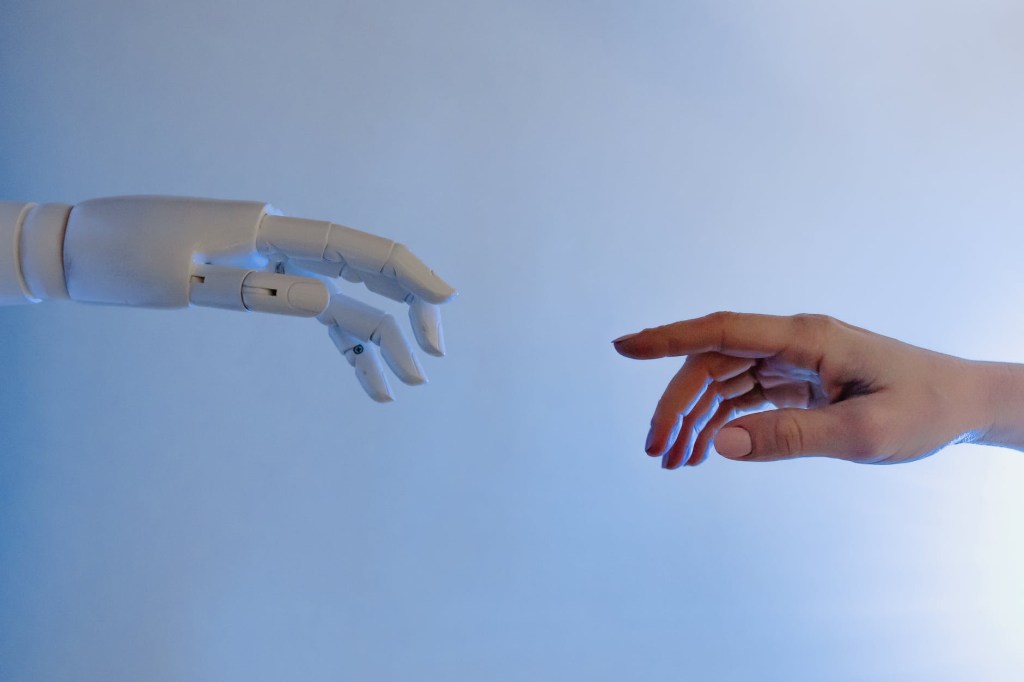
Overall, AI has the potential to be a powerful force for good, but we need to be mindful of the ethical implications as we continue to develop and use it.
Another important aspect of AI is its potential to augment human intelligence and capabilities. In many cases, AI can be used to assist humans in completing tasks more efficiently or accurately. For example, AI can be used to analyze large amounts of data and provide insights that would be difficult for a human to identify on their own.
https://youtube.com/@rupendradamor3817
However, it is important to ensure that AI is used in a way that empowers and enhances human capabilities, rather than replacing them. There are already examples of AI being used to automate certain tasks, which can be beneficial in some cases, but it is important that we do not become overly reliant on AI to the point where we lose our own skills and abilities.
Another ethical concern with AI is the potential for it to be used for malicious purposes. As AI becomes more advanced, it is possible that it could be used to develop new forms of cyber attacks or even be used in military operations. It is important that we address these potential risks and put measures in place to prevent AI from being used in harmful ways.
https://youtube.com/@motivationandmaditationwit8128
Overall, the development and use of AI raises a number of ethical questions that need to be carefully considered. It is important that we approach AI with caution, but also recognize the potential benefits it offers. By addressing the ethical concerns and ensuring that AI is developed and used responsibly, we can maximize its potential to improve our lives and our world.

 World wide Education